
low iron float glass
A strut pipe clamp is an essential component in various industrial and construction applications. The 3-inch strut pipe clamp is a specific size that is commonly used to secure pipes and conduit in place. One of the key advantages of using a strut pipe clamp is its versatility. It can be easily mounted on a variety of surfaces, including walls, ceilings, and beams, making it a versatile solution for different installation needs. In addition, the 3-inch size of the clamp is ideal for securing pipes and conduit that are commonly used in plumbing and electrical systems. The durable construction of the strut pipe clamp ensures that it can withstand the weight and pressure of the pipes it is holding in place. Made from high-quality materials such as steel or aluminum, these clamps are designed to provide long-lasting support and stability for pipes and conduit. Another benefit of using a strut pipe clamp is its ease of installation 3 inch strut pipe clamp . With simple and straightforward instructions, it can be quickly mounted onto the desired surface using screws or bolts. This makes it a convenient solution for contractors and DIY enthusiasts alike. Furthermore, the 3-inch size of the strut pipe clamp makes it compatible with a wide range of pipe diameters. This versatility allows for greater flexibility in installation, as the same clamp can be used for different pipe sizes without the need for additional tools or accessories. In conclusion, the 3-inch strut pipe clamp is a versatile and reliable solution for securing pipes and conduit in various applications. Its durable construction, ease of installation, and compatibility with different pipe sizes make it a valuable asset for any project that requires secure pipe mounting. Whether in plumbing, electrical, or HVAC systems, the strut pipe clamp is an essential component that provides stability and support for pipes and conduit.
about
low iron float glass
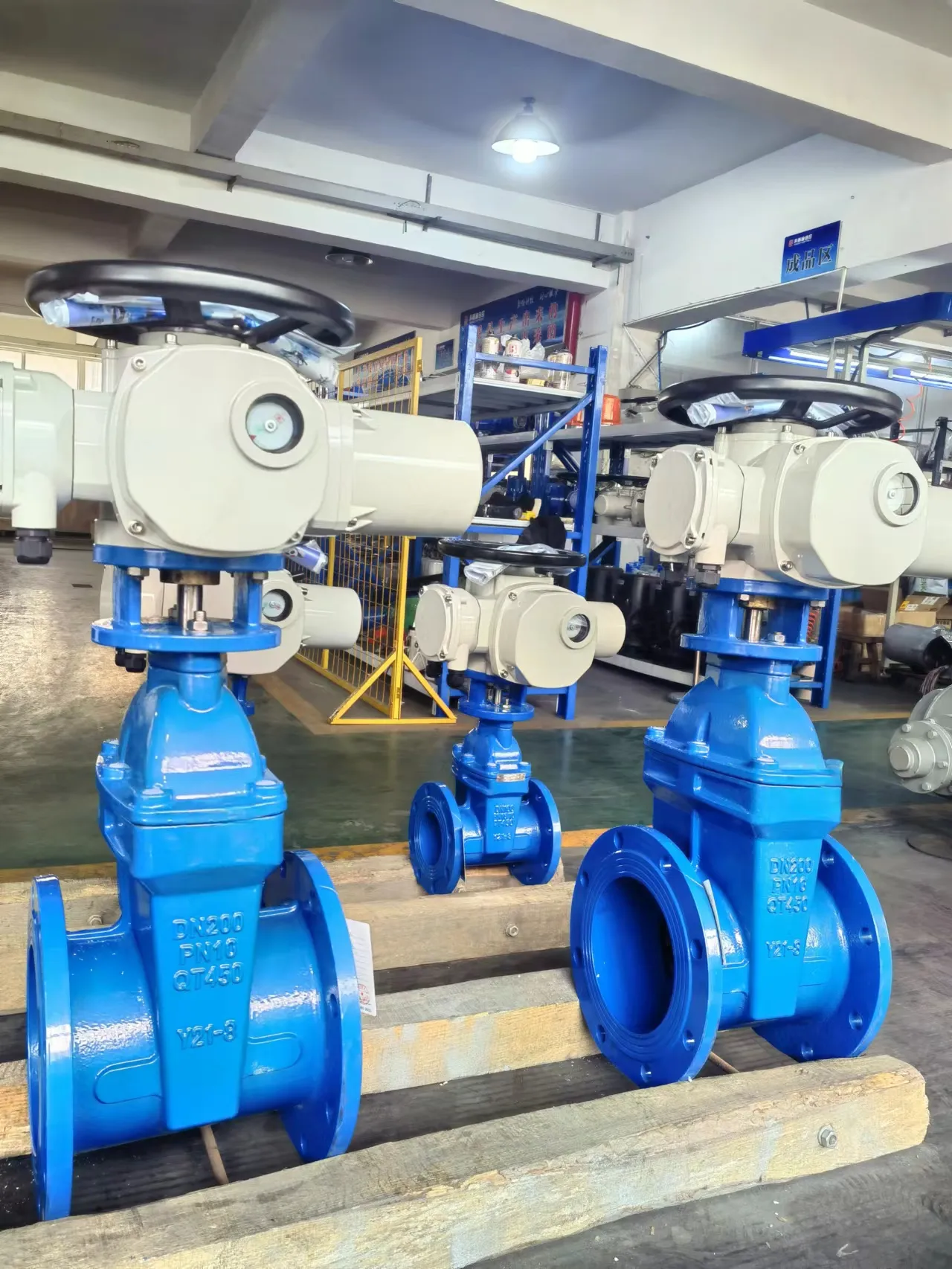
When it comes to industrial applications, gate valves are essential components designed to control the flow of fluids. Among the various types of gate valves, the soft seal gate valve and the hard seal gate valve are two distinct variations that serve specific purposes. Understanding their differences and applications can help engineers and decision-makers choose the right valve for their needs. Understanding Soft Seal Gate Valves A soft seal gate valve utilizes a flexible material, usually elastomeric, for its sealing surface. This design allows the valve to create a seal that effectively prevents leakage when closed. Soft seal gate valves are known for their ease of operation and maintenance, making them an attractive option in applications that require frequent valve actuation. The advantages of soft seal gate valves include: - Excellent Sealing Performance: The flexibility of the sealing material allows for tight sealing against fluid flow, reducing the risk of leakage. - Low Torque Operation: Soft seal designs often require less torque to open and close, facilitating smoother valve operation. - Cost-Effective: Generally, soft seal gate valves are more cost-effective to manufacture and purchase, making them a budget-friendly option for many projects. - Versatility: Suitable for various applications, including water, oil, and gas, where occasional throttling is acceptable. Exploring Hard Seal Gate Valves On the other hand, the hard seal gate valve features a rigid sealing surface typically made of metal or ceramic materials. This design provides enhanced durability and makes hard seal gate valves ideal for high-pressure and high-temperature applications. Key characteristics of hard seal gate valves include: - High Pressure and Temperature Resistance: The robust materials used can withstand severe conditions, making them suitable for challenging environments. - Longevity: Hard seal gate valves are built to last, reducing the frequency of replacements and contributing to lower maintenance costs in the long term. - Reduced Wear and Tear: The durable construction means they are less prone to damage from abrasive materials or extreme working conditions. - Suitable for Low Flow Applications: Hard seal gate valves excel in applications where fluid flow is minimal, requiring a reliable, leak-proof experience when fully closed. Choosing the Right Valve for Your Application When deciding between a soft seal gate valve and a hard seal gate valve, consider the specific requirements of your application: 1. Operating Conditions: If your application involves high-pressure or high-temperature fluids, the hard seal gate valve is likely the better option. Conversely, for standard conditions with infrequent use, a soft seal gate valve may suffice. 2. Frequency of Use: If the valve is intended for regular adjustments or maintenance, a soft seal design may offer improved ease of use. 3. Budget Considerations: Evaluate your project budget. Soft-seal gate valves are generally more affordable upfront, while hard-seal gate valves may yield savings over time due to their durability. 4. Fluid Type: Certain fluids may necessitate specific types of sealing materials. Ensure that the chosen valve material is compatible with the fluid to avoid degradation. In summary, both soft seal gate valves and hard seal gate valves possess unique features and advantages that cater to different industrial needs. Understanding their differences in terms of sealing mechanisms, operational characteristics, and applications is crucial for making an informed decision. By selecting the appropriate gate valve, you can enhance system functionality, ensure reliable fluid control, and optimize overall performance in your engineering applications.
-

High quality industrial productsagement

High quality industrial products
View Details -

Meet the diverse needs of customers

Meet the diverse needs of customers
View Details -

Strict quality control

Strict quality control
View Details -

Top raw materials

Top raw materials
View Details -

Trusted supplier

Trusted supplier
View Details
Our application
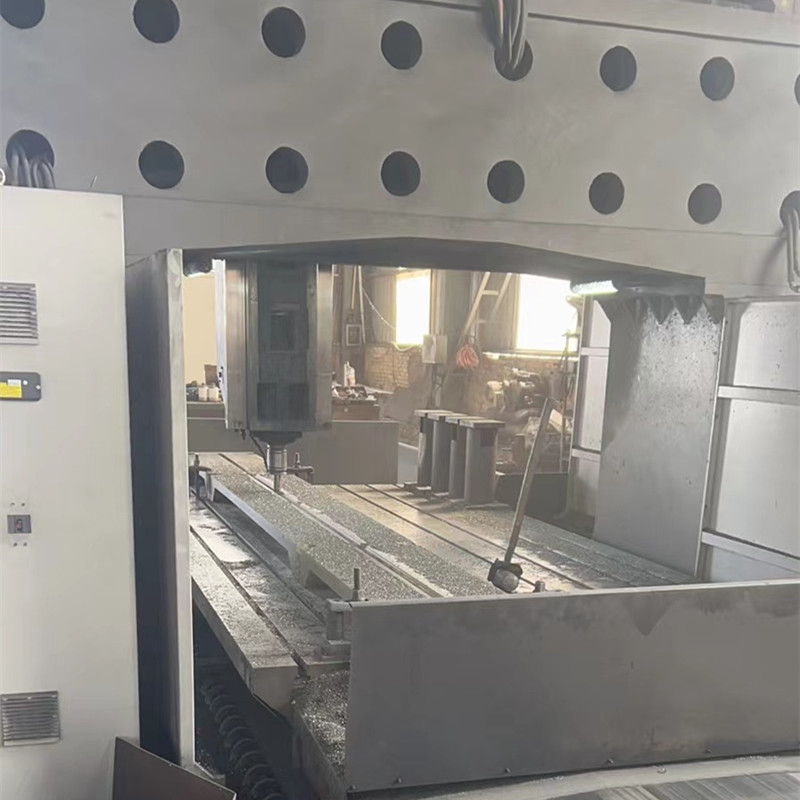
news and information
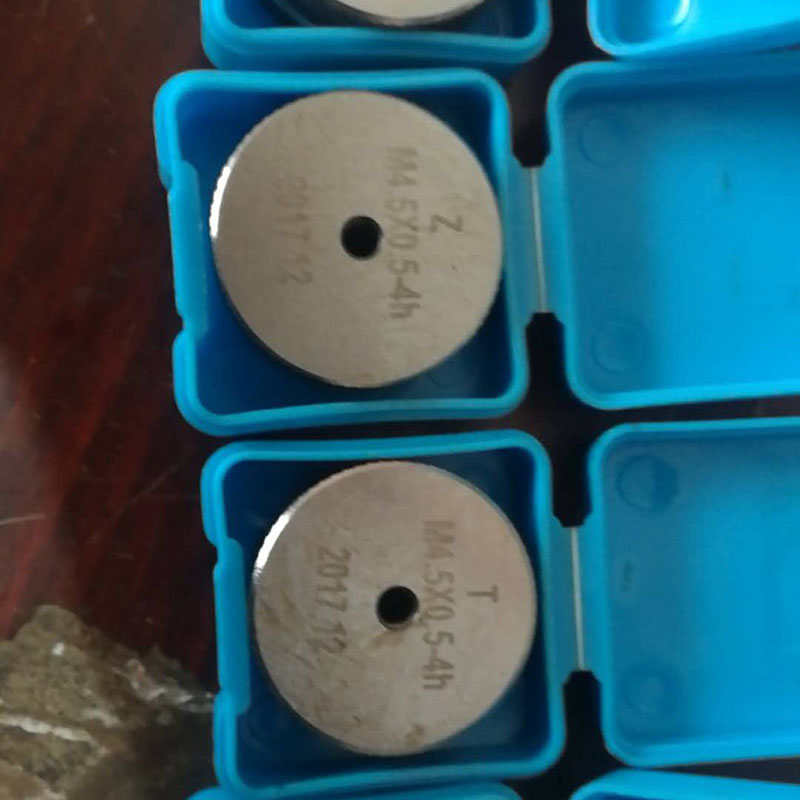
using a thread gauge
Using a Thread Gauge A Comprehensive Guide Threads are an essential component in countless mechanica
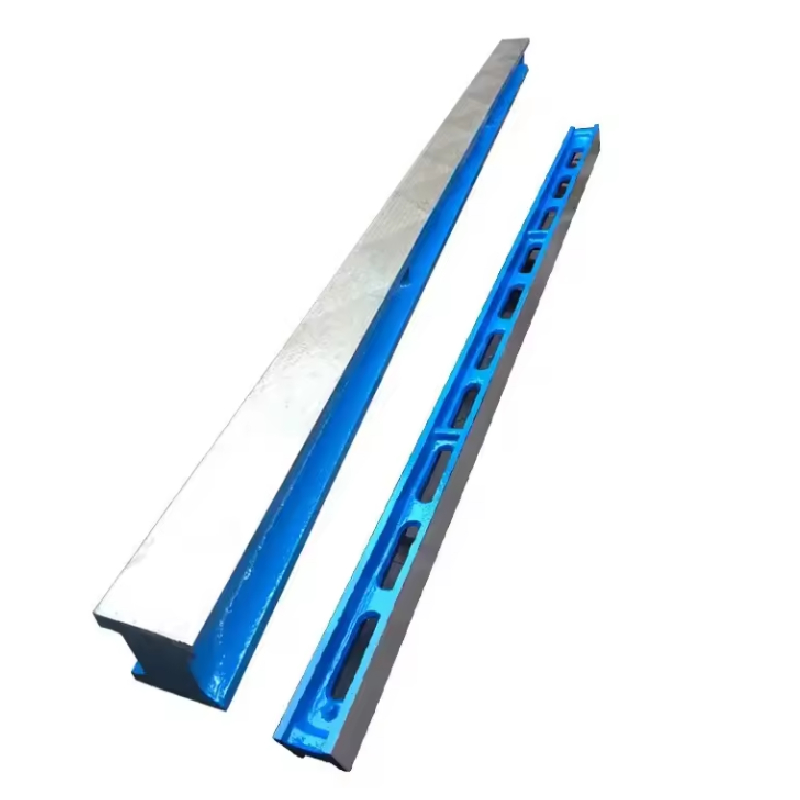
vibration pad material
Understanding Vibration Pad Materials A Comprehensive Overview In a world that increasingly relies o
Valve Solutions for Industrial Applications _ Precision Engineering & Innovation
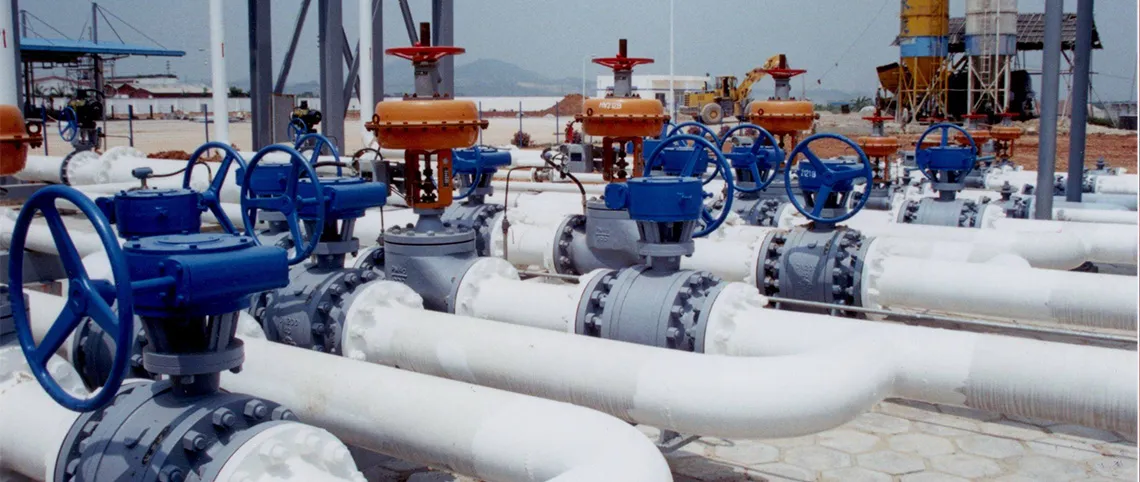
The Evolution of Valve Technology in Modern Industries In recent years, valve technology has become
 English